Rehabilitation Work on Birir Road: Keeping the Valley Connected
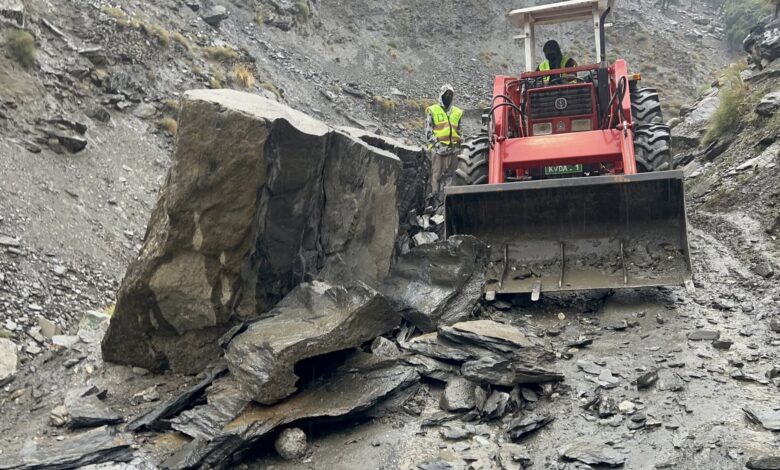
Birir is the quietest of the three Kalash valleys, a place where villages sit close to the river and life moves at a slower rhythm. But reaching Birir has always depended on a single, narrow mountain road carved into steep terrain. When rain or landslides strike, that road can close without warning, cutting off residents, students, patients, and visitors.
Recently, heavy rockfall blocked the route again. The situation could have lingered for days, but the Kalash Valleys Development Authority (KVDA) moved quickly. A team and machinery were sent to clear the debris and stabilize the damaged section. The picture tells the story: workers in safety vests standing beside large boulders and broken shale, a loader pushing through mud and layered rock to reopen the way.
This is not just road maintenance. It’s about keeping Birir connected—to schools, hospitals, markets, and the outside world. It ensures that local families can move safely, that artisans can sell their work, and that visitors can reach the valley without disruption.
The work is technical and tough. The road cuts through brittle rock, and even small landslides can become major obstacles. But each time the valley is reopened quickly, it shows commitment to the people who live here and to the cultural heritage that makes the region unique.
Birir’s beauty and identity depend on more than tourism—it depends on access, mobility, and the sense that the community is not isolated. KVDA’s ongoing focus on road stability and emergency response is a step toward long-term resilience.
The valley may be remote, but it is not forgotten.