Kalash Culture
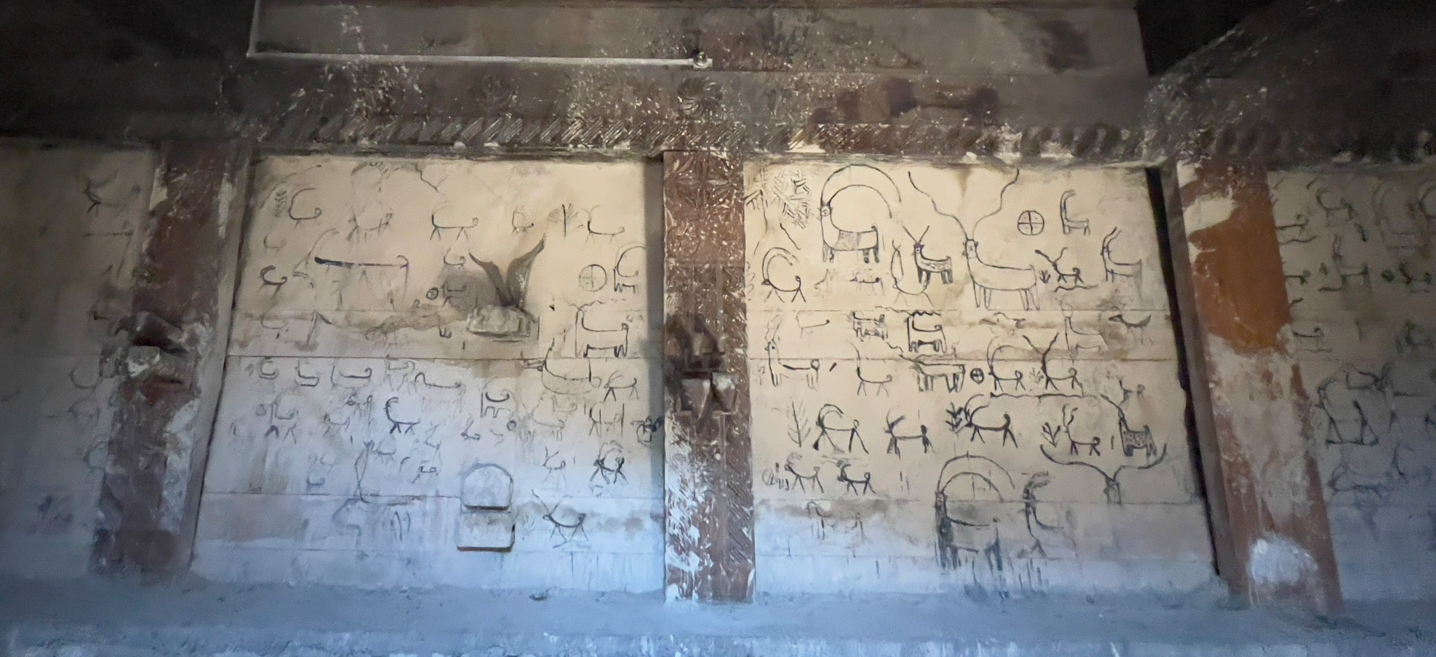 Language and Folklore: The Kalash language, known as Kalasha Mondr, belongs to the Dardic subgroup of Indo-European languages and is considered archaic. The Kalasha people have a rich oral tradition encompassing folklore, epic tales, love songs, and idioms that reflect their profound indigenous wisdom and life experiences.
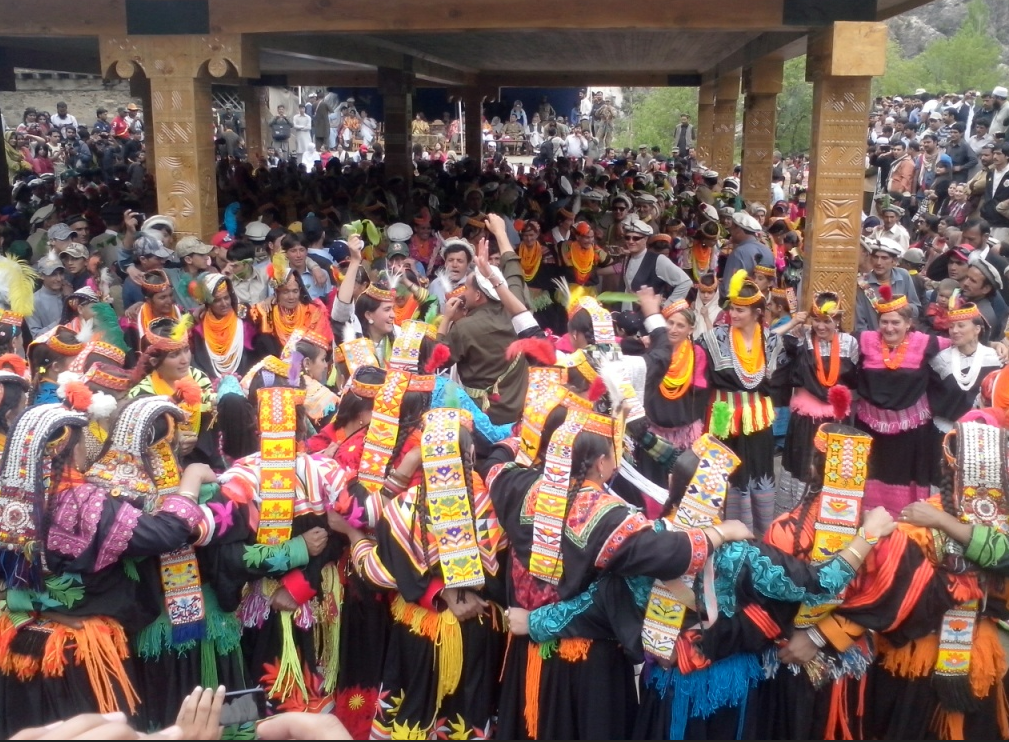
Religion and Beliefs: The Kalasha people follow a religion centered on one God, referred to as Dizaw, and rooted in a complex system of myths and superstitions. This belief system explores the connection between the human soul and the universe. According to Kalasha mythology, this connection manifests through music and dance, which are integral to religious rituals during festivals. These performances are not merely for entertainment but serve as acts of devotion, intended to please Dizaw.
Two central principles in their religious philosophy are:
- On’esta (Pure): Representing sacred elements like altars for the God, mountains, and goats.
2. Pragata (Impure): Representing earthly and profane elements such as the valley floor and the Bashali (a secluded house for women during menstruation and childbirth).
Astronomy and the New Year: An essential tradition in Kalasha mythology is the observation of celestial movements. Kalasha astronomers mark the new year on December 21, celebrating the birth of a new sun. They believe the characteristics of this “new sun” influence the land’s flora and fauna.
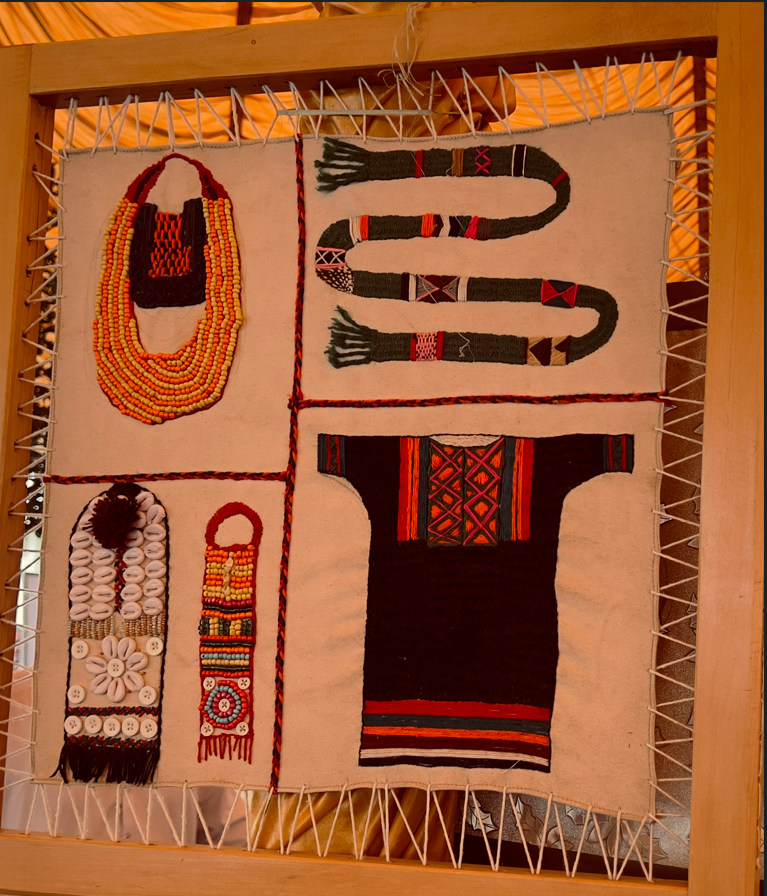
Cultural Practices and Dress: Kalasha women wear a traditional black robe paired with an embroidered long cap adorned with cowrie shells, beads, and ornaments. Despite the availability of modern clothing, this attire remains prevalent among the Kalasha women.
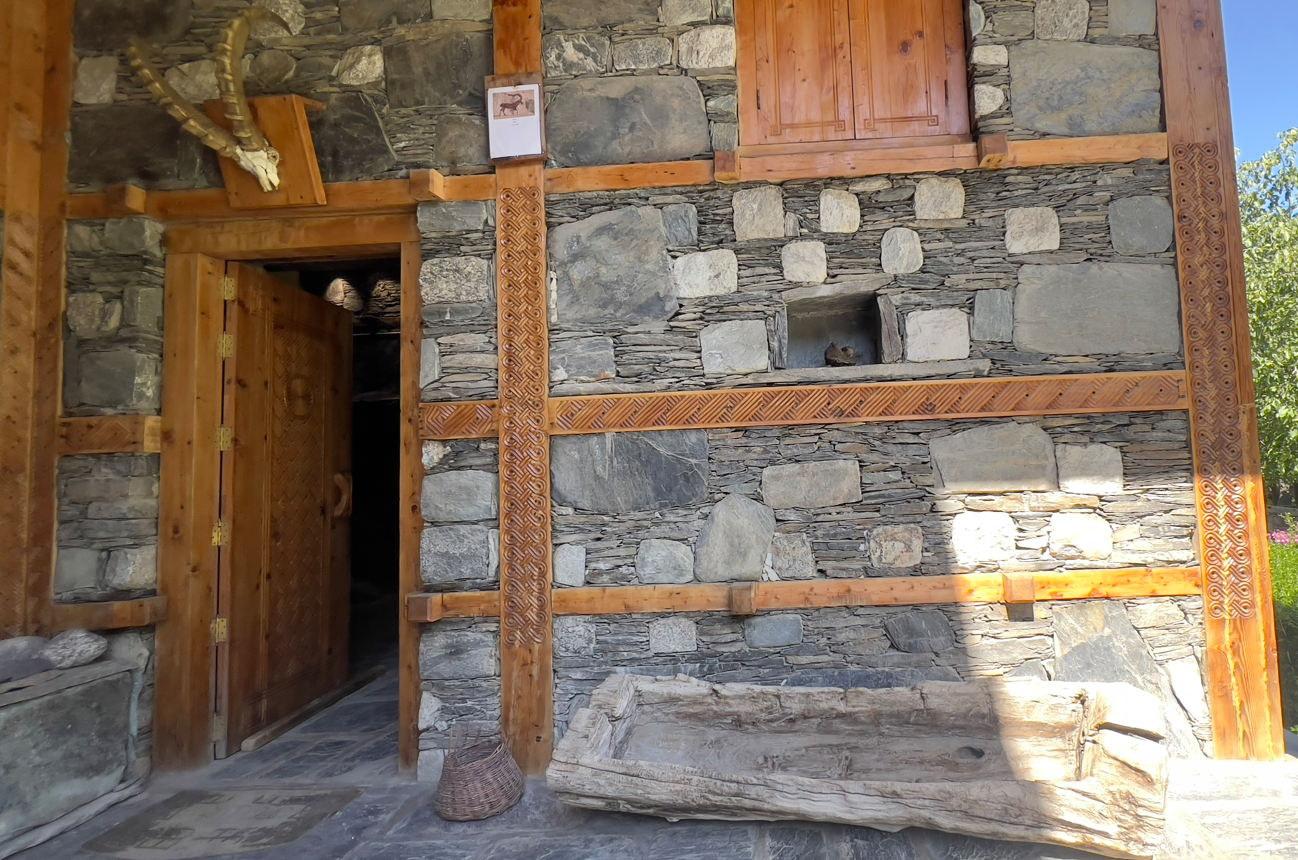
Arts, Crafts, and Architecture: Kalasha houses and monuments showcase the community’s advanced skills in arts and crafts, particularly in woodwork and woolen products. Effigies and paintings of human and animal figures found in their monuments attest to their artistic heritage and craftsmanship.
Kalash Festivals: The Kalash people celebrate four major festivals, each closely tied to the seasons, agricultural cycles, and their deep connection with nature. These festivals are marked by rituals, music, dance, and sacrifices to honor Dizaw, seeking blessings for their community and livelihoods.
- Zhōshi (Chilim jusht)
- Time: May 13–16
- Significance: This spring festival seeks the blessings of Dizaw for the safety and prosperity of the community’s herds and crops. It celebrates the renewal of life as the valley blossoms with the onset of spring.
- Ucaw (Uchal)
- Time: August 18–21
- Significance: Commemorating the summer season, this festival celebrates the abundance of dairy products produced in the highland pastures. It is a tribute to the season’s productivity and is marked with gratitude for the bounty of nature.
- Po’n’ (Phool)
- Time: 15-October
- Significance: This autumn festival marks the harvest season and the return of livestock herds from the summer pastures. It symbolizes gratitude for a fruitful year and the harmony between humans and nature.
- Cawmōs (Chitirmas)
- Time: December 8–21
- Significance: The most significant festival in Kalash culture, celebrated as the winter solstice approaches. Families prepare new clothes for every member, and sacrifices are made to the grand Kalash god, Dizaw. It is a time of renewal, festivity, and deep spiritual connection, marking the start of a new phase in the annual cycle.